Welcome to 蚂蚁街! , Entry China Ningbo International Stationery Fair 2026
Home > Headline > Industry trends
Would You Buy a CNY 300 Companion Robot?
A palm-sized white bionic robot gently rubs against a young woman’s hand. Its synthetic fur maintains a constant temperature of 37°C. When its camera detects the tension in her furrowed brow, it immediately blinks its round electronic eyes and emits a soft hum, as if offering silent comfort.An elderly woman, Ms. Li, chats with her robot about daily life. When she mentions, “The kids have been busy and haven’t come home again,” the robot doesn’t respond mechanically. Instead, it slowly raises its “arm” in a patting gesture and replies warmly, “Auntie, how about I practice that new square-dance routine with you again?”Scenes like these are becoming increasingly common. Young professionals confide their overtime exhaustion to desk companion robots, which respond by playing soothing white noise. Young parents let playful robots accompany their children while reading picture books, as animated characters bounce on the screen alongside children’s laughter. Pet owners remotely call out to their cats through robots, with real-time interaction turning longing into something tangible. Companion robots, in their most delicate form, are quietly entering every corner that needs warmth—soothing the loneliness of different groups in this era.What Is a Companion Robot?As the name suggests, a companion robot is an embodied intelligent terminal centered on emotional interaction. Its technical core lies in large language models and affective computing systems. These enable the robot not only to understand commands, but also to recognize user emotions and respond with actions such as nodding or blinking, simulating biological traits.Industry insiders explain that, compared with traditional electronic toys, companion robots possess multimodal perception and interaction capabilities. Their vision systems use cameras to capture and assess emotions; auditory systems receive commands; tactile sensors provide physical feedback; and environmental modules monitor ambient light and temperature. More importantly, the introduction of long-term memory mechanisms allows robots to accumulate data over time and develop personalized interactions, strengthening the sense of companionship. This immersive experience makes AI “visible and tangible,” marking a shift from one-way command execution to two-way emotional interaction.What Are the Consumer Scenarios?On the consumer side, companion robots are showing a clear trend toward serving all age groups, with segmented tracks emerging to meet different needs.Among young people, companion robots function as “emotion-value collectibles.” These products often appear as keychains or desktop ornaments, emphasizing lightweight and designer-toy aesthetics. For example, Ropet by Mengyou Intelligence adopts a “light companionship” concept. Covered in soft synthetic fur and equipped with a constant-temperature system, it can express emotions such as excitement, anger, or affection—essentially becoming a soulful electronic pet.Companion robots are also appearing in family settings. With child-friendly designs, educational robots can support parent-child learning while serving as intelligent playmates. For pet-owning households, companion robots address the challenge of remote pet care by enabling automatic feeding and real-time monitoring. Some high-end models further integrate with smart home ecosystems, combining companionship, security, and appliance control into an all-in-one intelligent housekeeper.In the silver-age market, companion robots represent technology addressing rigid needs. According to industry practitioners, beyond basic chatting, dialect recognition, and remote family connectivity, these robots incorporate “family doctor” functions. These include building health profiles, medication reminders, 24-hour contactless monitoring of respiration and heart rate, automatic fall alerts, and even voice-based prediction of early Alzheimer’s indicators—helping fill gaps in home-based eldercare services.How Much Do They Cost?A search across major platforms shows that most AI companion robots are priced between RMB 300 and 500. Data indicates that Fuzozo, launched by Luobo Intelligence in June 2025, has sold over 120,000 units, with average user interaction time nearing 50 minutes per session. Zheng Xiaodan, head of embodied intelligence for JD.com’s intelligent robotics business, noted that more than 100 robot brands now collaborate with JD.com. During last year’s “Double 11” shopping festival, the intelligent robot category recorded a fivefold year-on-year growth, highlighting rapid market expansion.This growth is far from fleeting. According to the “2025–2031 China Companion Robot Industry Development Monitoring and Investment Strategy Report” released by Huajing Industry Research Institute, the global companion robot market reached approximately USD 28.19 billion in 2024. Compared with humanoid robots, companion robots are easier to commercialize and are expected to enter household scenarios sooner, offering vast market potential.Wang Lili, Deputy Director of the Digital Intelligence Technology Research Office at CCID Consulting’s Electronic Information Research Institute, predicts: “The future companion robot market will follow a ‘light form first, heavy form later’ trajectory. In the short term, basic, desktop, and pet-type robots will continue to grow rapidly. The industry will shift from single hardware sales to integrated models combining hardware, content, and services. The overall market size is expected to reach the trillion-yuan level.”What Challenges Lie Ahead?Experts note that the core of companion robots lies in relationship building. “It’s not just about verbal interaction—it requires continuous guidance and deep emotional engagement, and these subtleties cannot be achieved by large models alone,” admitted an engineer involved in companion robot R&D. Challenges remain in interaction smoothness, motion precision, and battery life, all of which require further technological breakthroughs.Additionally, as devices become deeply embedded in private spaces, ensuring data security, preventing excessive user dependence, and fostering genuinely warm connections are challenges the industry must confront.“The next industry inflection point will not come from leaps in voice interaction, but from the maturation of edge intelligence,” said a robotics R&D leader. Decentralized, low-cost, high-performance local intelligence will be key to enabling personalization, privacy protection, and round-the-clock companionship.Declaration: This article comes from Guangming Daily (Full Media).If copyright issues are involved, please contact us to delete.Reporter: Cui XingyiCorrespondent: Yang Jiaxuan
antway
1 months ago Industry trends
15
Foreign Buyers Are Loving It Again! Upgraded “Screaming Chicken” Becomes a Hot Seller!
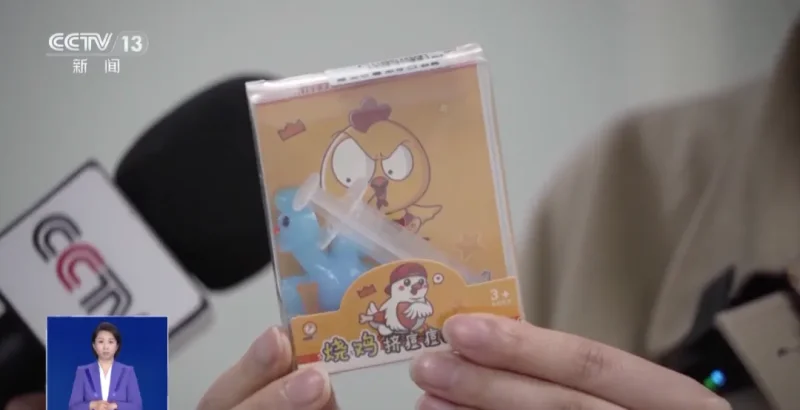
Recently, the group draw for the 12 groups of the 2026 FIFA World Cup in the United States, Canada, and Mexico was officially announced, pushing the production and sales of related sports goods and merchandise in Yiwu into a full-scale “sprint phase.” In addition to traditional merchandise such as jerseys and footballs, a special “cheering must-have” — the “Screaming Chicken” — has become a new favorite among overseas buyers this year.In the sports goods section of District 3 at Yiwu International Trade City, many shops are packed with foreign buyers who have traveled from all over the world to source products.Merchants told reporters that as early as May last year, they had already begun stock preparation. In terms of product design, this year has seen even more innovation, with the launch of women’s exclusive styles, cute children’s versions, and pet-themed jerseys to meet diverse consumer needs.Yiwu International Trade City MerchantWen Congjian:“One Mexico jersey style has already received orders of around 300,000 pieces, and one Argentina jersey style is at about 200,000 pieces.”In addition to innovating in product styles, many merchants have also applied for design and appearance patents for their products this year. One football vendor independently designed two World Cup commemorative footballs, which attracted a large number of overseas orders. The profit margin is about 15% higher than that of ordinary products.Yiwu International Trade City MerchantChen Shaomei:“Compared with previous years, order volume this year is expected to increase by about 30%.”Besides traditional merchandise such as jerseys and footballs, another special “cheering must-have” — the “Screaming Chicken” — has become a new favorite for overseas orders this year. Today’s “Screaming Chicken” is no longer what it used to be. Through continuous product iteration, it has been upgraded in both appearance and functionality.Yiwu Global Digital Trade Center MerchantZhou Lingling:“In the past, the legs couldn’t stand upright. Now it’s designed to stand on its own. A customer from Mexico came directly to the factory — they arrived one day, and the next day we received a 30% deposit.”According to merchants, as of now, intention orders for the “Screaming Chicken” as a single product have already been scheduled through 2027, with estimated related order value reaching 10 to 20 million yuan.Declaration: This article comes from CCTV Finance (ID: cctvyscj).If copyright issues are involved, please contact us to delete.
antway
1 months ago Industry trends
23
Are New-Generation Consumers More Willing to Pay for “Meaning”?
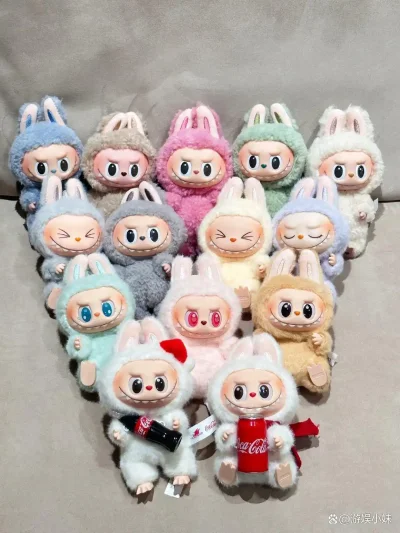
When young people would rather pay for a forest-bathing experience or a late-night anonymous conversation than drink another glass of social wine, it becomes clear that the underlying logic of consumption is quietly changing. This is no longer a question of “what to buy,” but of “why to buy.” Meaning-based consumption refers to purchasing decisions driven not only by material satisfaction, but also by emotional resonance, spiritual identification, and a sense of value. Emotion, identity, and meaning have become the key reasons new-generation consumers are willing to pay a premium.The “Meaning Shopping Cart” of a New GenerationFrom Gen Z’s designer toy collections to wellness travel for seniors, from Citywalks to Moutai’s shift toward “self-pleasing consumption,” a transformation centered on meaning is reshaping the intersection of markets, policy, and culture.Stress relief, companionship, healing—squeeze toys, collectible blind boxes, paid “emotional tree-hole” platforms, camping, frisbee, forest bathing, Citywalks, the calm “Capybara” IP, and the sharp-toothed little monster LABUBU… These emotionally supportive, nature-connected, and psychologically compensatory consumption trends have become the new traffic drivers among young consumers.Consumption is shifting from function and ownership toward meaning and identity. In 2025, LABUBU set a record with an auction price of RMB 1.08 million, while its producer Pop Mart saw its share price rise nearly 200% at one point. With its “ugly-cute,” rebellious, and highly personalized image, LABUBU precisely captures Gen Z’s desire for self-expression and uniqueness, becoming a new form of social currency. Young shoppers browse anime-themed merchandise at The Venetian Macao shopping mall. Photo by Mao SiqianNew-generation consumers are willing to pay a premium for cultural values, emotional experiences, and identity labels they recognize. What they purchase is not merely a product, but an answer to “Who am I?” and “What do I stand for?”“Consuming for emotion, paying for meaning” is reshaping market structures and aligns with the national call to foster new forms of consumption. The future growth of consumption lies deeply embedded in shifts of meaning.The Generational Restructuring of Consumption LogicOnce a symbol of status and social interaction, Moutai is now accelerating its shift toward self-oriented consumption because the relentless decline in both wine prices and share prices. He Yong, Secretary-General of the China Alcoholic Drinks Association, noted at the inaugural Chishui River Forum that the current consumer market is undergoing profound transformation, with alcoholic beverage consumption shifting from the traditional focus on "pleasing others" towards "indulging oneself".Each generation articulates its value propositions through distinctive consumer language. For older generations, consumption was intrinsically linked to family building, social status and material accumulation; for the new generation, it increasingly manifests as a relentless pursuit of cultural identity, emotional resonance and personal definition. LABUBU has tapped into the pulse of the emotional economy, aligning precisely with the evolution of consumer drivers. Moutai's transformation towards youthfulness, health, and "self-indulgence" profoundly illustrates that even the most enduring "symbols of meaning" must actively adapt to new "signals of meaning".The meaning economy is rising across society. This is not exclusive to the young, but a collective rebuilding of values and connections after material abundance has been achieved. People once favoured displaying social status through 'hard symbols' such as luxury goods, high-end vehicles, and properties in desirable school catchment areas. Today's consumption patterns are shifting towards quality living and aesthetic expression, while children's education is evolving from a focus on academic competitions to a broader enrichment of character, pursuing 'holistic education'.The silver-haired generation is also an active participant, expanding consumption from healthcare and eldercare to wellness communities, senior universities, and “return-to-youth” experiences, redefining later stages of life with dignity, social connection, and quality.As basic material needs are met, consumption climbs Maslow’s hierarchy toward higher dimensions. In an era of anxiety and pressure, a significant “meaning deficit” has emerged—along with new value chains and business opportunities.A New Business Civilization under High-Quality DevelopmentIn the post-materialist era, consumption growth comes from understanding shifts in culture, emotion, and identity—each representing an entry point of meaning: national brands as cultural confidence, interest communities as belonging, and health, healing, and experiential consumption as self-care.Guided by policy, China is systematically cultivating multiple trillion-yuan-scale consumption sectors and hundreds-of-billions-yuan-scale consumption hotspots to enhance the alignment of supply and demand and stimulate the potential of domestic demand. This is no longer a niche experiment but a major future business pathway. High-quality development manifests in the consumer sphere through a leap in the supply system from providing "standardised products" to responding to "personalised demands". It calls for the establishment of a modern market ecosystem that encourages innovation, embraces diversity, and operates in a regulated and orderly manner, enabling personalised demands to be seamlessly transformed into endogenous drivers of economic growth. Policy direction should focus on nurturing this transformation mechanism, thereby laying a solid institutional foundation for high-quality development.Consumption is a barometer of the spirit of the times. This quiet shift from products to meaning speaks not only to economic growth, but also to how modern society rediscover and anchor the human spirit. It presents immense opportunities, yet simultaneously demands that we approach the very notion of 'meaning' with greater prudence and depth.Life is not linear, but a complex function. Paying for meaning is like writing new code into the algorithm of life. In 2026, let us leave visible traces of meaning in time.Declaration: This article comes from the China Comment.If copyright issues are involved, please contact us to delete
antway
1 months ago Industry trends
23
Booming Year of the Horse Cultural Creative Orders: Tens of Thousands of “Trendy Toy Horses” Sell Well Overseas via E-commerce
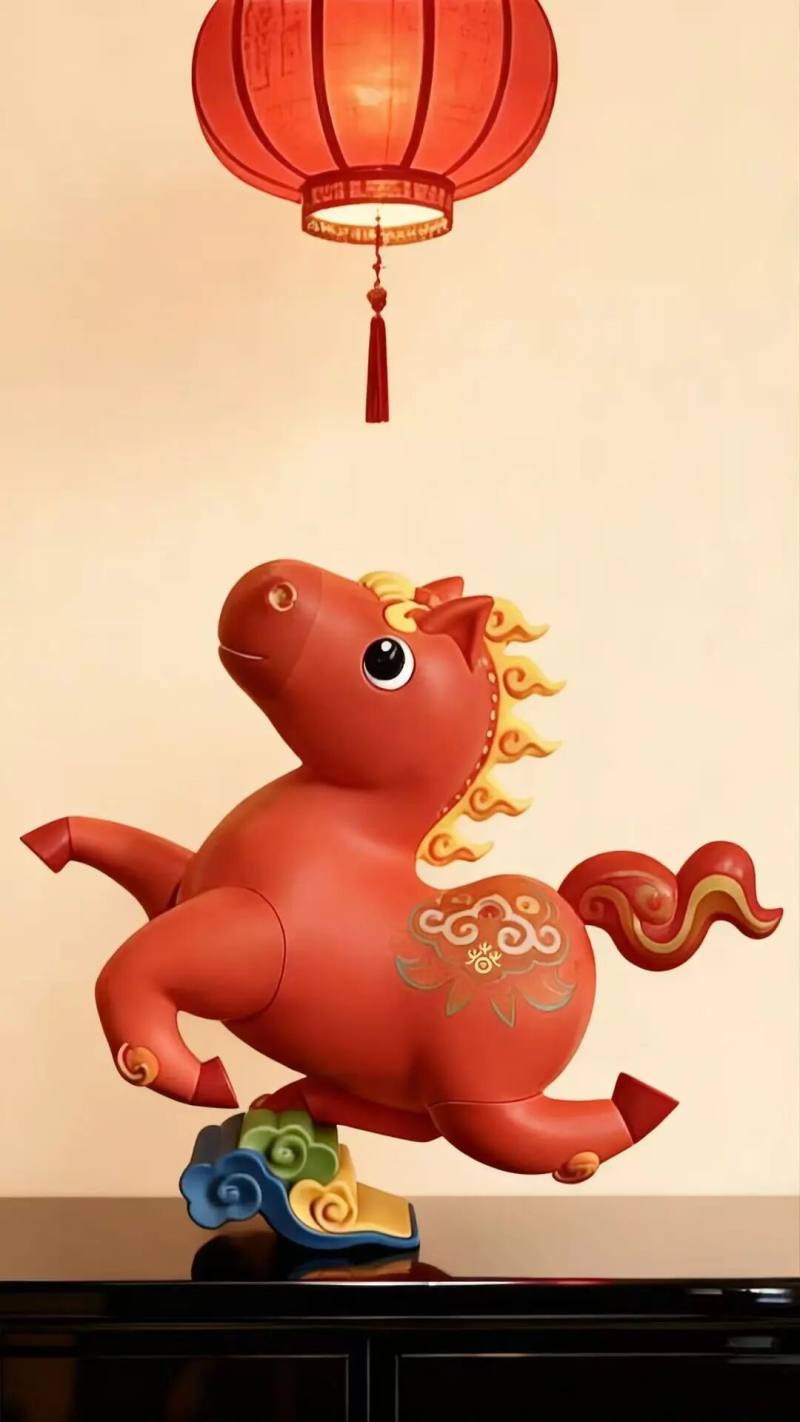
Dongguan, January 16 (China News Service)By Cai Minjie, China News ServiceAs the Spring Festival of the Year of the Horse in 2026 approaches, a batch of trendy toys embodying the Chinese zodiac horse culture are leaping from production workshops in Dongguan, Guangdong, into the view of Chinese consumers—and galloping into overseas markets.Sealing, pinning, attaching “saddles”… Inside the production workshop of Dongguan Junhui Toys Co., Ltd., dozens of workers are steadily advancing through each assembly process. Cute and charming Year of the Horse mascots gradually take shape. “After receiving the mascot design drafts in late November 2025, we finalized samples and officially started mass production by mid-December,” said Wang Haijun, General Manager of the company. He noted that production involves multiple complex procedures, including material procurement, laser embroidery, silk screening, and heat transfer printing. From production launch to complete shipment, a full product cycle can take 30 to 45 days.On January 14, staff members in Chashan Town, Dongguan City, Guangdong Province, were making Year of the Horse plush toys. Photo by Cai Minjie, China News Service.In Chinese culture, the horse holds a unique status as a spiritual totem. Idioms such as “taking the lead” symbolize courage and initiative, “instant success” conveys wishes for smooth achievement, and “ten thousand horses galloping” depicts vigorous vitality and momentum.Hu Haishan, Assistant General Manager of Dongshi Group Cultural Tourism Company and licensed cultural creative partner for the 2026 Spring Festival Gala mascots “Qiqi,” “Jiji,” “Chichi,” and “Chengcheng,” explained that the series centers on the horse and follows a design philosophy of “capturing the spirit while transforming the form.” The designs extract cultural elements such as the solemn elegance of the Western Zhou Liju Zun and the spirited Tang Dynasty tri-colored horses, then reinterpret them through modern Q-style trendy toy forms and bright color palettes. “We focus on the emotional value sought by young consumers and have simultaneously launched trendy derivative products such as plush bag charms,” Hu said. While preserving traditional patterns and cultural essence, the design team incorporated thoughtful details, including transparent acrylic techniques for vivid three-dimensional eyes and a refined combination of digital printing and embroidery to balance traditional charm with contemporary texture.On January 14, a Year of the Horse trendy toy-themed pop-up store in Shilong Town, Dongguan City, attracted consumers. As the Spring Festival of the Year of the Horse approaches, Dongguan—known as the ‘Capital of Trendy Toys in China’—has entered a peak season for production and sales. Photo by Cai Minjie, China News Service.These mascots, rich in festive Chinese New Year atmosphere and horse culture heritage, have already begun their journey overseas. Since January this year, the first batch of 10,000 “trendy toy horses” has been launched for international sale through platforms such as TikTok, gaining popularity among consumers in Thailand, Malaysia, Southeast Asia, as well as Europe and the United States.In response to the fashion-forward preferences of young consumers at home and abroad, the design team has also innovatively developed 14 derivative products, including the “Full Power Horse” plush blind box and the “Instant Prosperity” leather bag charm blind box.Among them, the plush blind boxes incorporate dynamic interactive features. Taking the “Become a Wealthy Horse” gameplay as an example, consumers simply place the plush horse into a matching device and gently pull it to trigger a mechanism that pops the toy into a red envelope filled with gold coins—a creative highlight that is instantly eye-catching. The products also cleverly integrate playful homophonic phrases such as “instant blessings” and “instant romance,” blending traditional auspicious meanings with youthful expressions.“In both Eastern and Western cultural contexts, horses symbolize speed, explosive power, and vitality, and are often closely associated with nobility, high spirits, and elegance,” Hu Haishan said. The team also uses short videos to interpret the positive meanings of Chinese horse culture for overseas audiences, allowing the unique charm of the Chinese zodiac to transcend borders.Declaration: This article comes from the China News Service.If copyright issues are involved, please contact us to delete.
antway
1 months ago Industry trends
21
Why Did the “Crying Horse” with Its Mouth Sewn Backwards Become a Bestseller?
A real-life version of the saying “a blessing in disguise”: a Year of the Horse plush toy with its mouth sewn the wrong way around unexpectedly became the internet-sensational “Crying Horse,” with related topics topping trending charts.Recently, a netizen in Hangzhou, Zhejiang, shared photos online, saying that the mouth of a Year of the Horse plush toy they purchased had been sewn incorrectly, turning a “Smiling Horse” into a “Crying Horse.” After contacting the seller, both the merchant and the factory found the design amusing and promised a replacement.Reporters found that after the plush toy unexpectedly went viral, many consumers began contacting the seller to purchase the “Crying Horse.” The seller said they never expected it to become a hit due to customer sharing and that production is now being rushed, with a promise that prices will not increase. It is understood that the small horse plush is about 20 cm tall and priced at 25 yuan.It is reported that during production, workers mistakenly sewed the originally upturned mouth corners downward, resulting in a drooping mouth, downward-facing blush and nostrils, and a “wronged” expression. Originally considered a defective product, the pitiful look of the “Crying Horse” struck a chord with netizens—perfect for venting frustrations and healing moments of emo—turning an ordinary plush into a new social favorite.Many netizens fell in love with the unique cuteness of the “Crying Horse” and flocked to sellers seeking the misprinted version. What was initially a production line meant for correction was urgently redesigned overnight, with sewing workers working non-stop to produce the “Crying Horse.”Netizens also created a variety of memes around the “Crying Horse”: unhappy at work? Let the “Crying Horse” keep you company—allow yourself to be unhappy in the new year. Some joked, “This really is a case of the horse ‘failing’ its way to success.”On January 9, Ms. Zhang, a business owner at Yiwu International Trade City, said with a smile: “It was simply a worker’s oversight—the mouth was sewn the wrong way.” From defective product to blockbuster, she said orders are coming in faster than they can be produced. “We’ve opened more than ten production lines, but it’s still not enough.” Orders have already been scheduled through March 2026.From “defective product” to “hidden edition,” the sudden popularity of the “Crying Horse” is inseparable from the rapid response known as “Yiwu Speed.”Some netizens commented that in Yiwu, even mistakes can turn into business opportunities—but not everyone can seize such fleeting chances. Capturing opportunities requires swift action. From discovering its popularity to launching urgent production, Yiwu merchants completed the entire decision-making chain in just 48 hours, decisively opening more than ten production lines and working overtime. A complete supply chain combined with rapid responsiveness helped the “Crying Horse” transform into a market dark horse.“Yiwu Speed” turned a worker’s small mistake into a business miracle. At its core, it reflects how Chinese manufacturing uses “second-level responses” from its supply chains to meet diverse consumer demands. The rise of the “Crying Horse” mirrors Chinese manufacturing itself: finding opportunity in crisis, nurturing innovation within tradition, and pursuing warmth alongside efficiency. This little horse found fortune through error—and behind it lies the solid foundation of “Made in China.”Declaration: This article comes from the Xinhua News Agency WeChat, China National Radio, CCTV News, Shangyou News, Xinhua Daily, Jimu News, Dushi Express, and others.If copyright issues are involved, please contact us to delete.
antway
2 months ago Industry trends
28
China’s Trendy Toy Industry Accelerates Its Expansion into Overseas Markets
In recent years, Chinese trendy toys have surged in popularity worldwide. In the first three quarters of 2025, China’s exports of festive goods, dolls, and animal-shaped toys exceeded RMB 50 billion, reaching more than 200 countries and regions. Many of these products belong to emerging domestic trendy brands.Why are Chinese trendy toys gaining favor among overseas consumers? Reporters visited Guangdong, a major province for toy manufacturing and exports, and found that from Dongguan—the “Capital of Chinese Trendy Toys”—to Chenghai in Shantou—the “Capital of Chinese Toy Gifts”—China’s strong manufacturing capabilities, the creativity of foreign trade enterprises, the influence of traditional culture, and unwavering policy support have resonated in unison, propelling trendy toys onto the global stage.Building IPWalking into the showroom of Dongguan Kangda Toys & Gifts Co., Ltd., figures from Tom and Jerry and the Harry Potter series stand alongside Chinese trendy toys such as Pleasant Goat and the “Auspicious Dragon.” “It took us 20 years to move from ‘making brands for others’ to ‘creating our own culture,’” said Wen Guoxiong, Chairman of Kangda Toys. The company started out as an OEM manufacturer and has now successfully transformed into a branded enterprise with multiple proprietary trendy toy IPs.In Kangda’s workshops, reporters saw laser cutting machines, computerized embroidery machines, and other advanced equipment neatly arranged, while hundreds of skilled workers rushed to complete products at their respective stations. In recent years, Kangda has obtained licenses from international IP owners such as Warner Bros., accumulating technological advantages through stringent OEM requirements for leading global brands. Building on this foundation, the company has developed a range of original trendy toy products. In 2024, the “Auspicious Dragon” trendy toy developed by Kangda accompanied the Shenzhou-18 mission into China’s space station. Its materials and craftsmanship passed aerospace-grade testing, showcasing the hard power of Chinese manufacturing in space. Through cooperation with cultural and tourism authorities, the company has also delivered zodiac-themed trendy toys to 176 countries and regions, supporting the global dissemination of Chinese culture through trendy toys.It is understood that one quarter of the world’s animation-derived products are manufactured in Dongguan, and nearly 85% of China’s trendy toys are produced there. As one of the earliest regions to undertake the international transfer of the toy industry after China’s reform and opening-up, Dongguan has built a massive toy industry ecosystem, comprising over 4,000 manufacturing enterprises and nearly 1,500 supporting companies, making it the largest toy export base in China. In recent years, more and more enterprises have been unwilling to remain mere OEM producers and have embarked on an overseas expansion path driven by both contract manufacturing and independent branding. By the end of 2024, Dongguan had 160 above-scale enterprises involved in trendy toy production, giving rise to popular overseas brands such as Blokees (MoDongHe). In the first three quarters of 2025, Dongguan’s toy exports reached RMB 17.52 billion.Another toy manufacturing hub opening international markets through a combination of strong manufacturing and originality is Chenghai, Shantou. At the 24th Shantou Chenghai International Toy & Gift Expo, buyers from the United States, the United Kingdom, Canada, and other countries gathered to source products, with intended contract values reaching RMB 15.8 billion. The spark generated by the integration of “Guochao” (China-chic) culture with the Chenghai toy industry cluster was particularly eye-catching.In the first three quarters of 2025, Shantou’s toy exports to the European Union reached RMB 2.81 billion, up 11.4% year-on-year. Each day, Chenghai sees the launch of more than 1,000 new toy products, nearly half of which are related to Guochao IPs. Trendy figurines inspired by The Classic of Mountains and Seas, construction blocks featuring landmarks such as the Temple of Heaven, and trendy toys derived from traditional folk arts like Peking Opera and lion dances are frequent items on foreign buyers’ procurement lists. “European consumers are very interested in Chinese culture, and these types of toys are very popular in our market,” said Daniel, an Italian buyer.“Chinese manufacturing remains irreplaceable,” overseas brand owners and buyers working with local trendy toy enterprises from Dongguan to Shantou unanimously remarked. “We have maintained long-term cooperation with factories in Dongguan, where nearly 80% of our blind-box products are produced. From design to manufacturing, the quality is excellent. We will continue to work with Dongguan’s trendy toy industry to expand global markets,” said Getruaning, Chief Marketing Officer of Berli Jucker International Holdings PCL of Thailand.“International industry leaders still hold significant advantages in IP recognition and brand operation, but Chinese trendy toys are catching up rapidly,” said Xiao Senlin, Chairman of Guangdong HAYI Toys Co., Ltd., a key national cultural export enterprise. “We have clear advantages in supply chain efficiency, flexibility, and cost performance. From design and prototyping to mold manufacturing, mass production, and export logistics, almost the entire process can be completed within Dongguan. Younger generations of consumers are more receptive to diverse cultures, creating new opportunities for original Chinese designs to resonate globally.”Policy SupportSince 2025, many trendy toy enterprises have clearly felt intensified competition in overseas markets. From building proprietary IPs to expanding abroad, every step of “going global” involves uncertainties and risks.One major risk lies in the uncertainty of creating blockbuster IPs. “Trends are hard to predict, and it is extremely difficult to make a trendy toy IP popular,” Wen Guoxiong admitted. Over the past year, Kangda has invested RMB 1–2 million in developing new IPs, yet only one series has gained widespread market recognition so far.Differences in certification standards across countries and regions pose another risk. Xiong Mao, General Manager of Dongguan Weishi Culture Co., Ltd., noted that in order to meet foreign testing standards, companies often have to modify raw materials and production processes, increasing both costs and lead times. Dongguan Playtime Fairy Tale Baby Products Co., Ltd. has encountered similar challenges. When exhibiting in Southeast Asia, discrepancies between local mandatory certification requirements and domestic standards resulted in certification processing periods ranging from several weeks to over a year, at one point affecting business expansion.Many enterprises transitioning from OEM manufacturing to original brands have stated that government departments such as taxation and customs authorities have introduced supportive policies to help address challenges related to R&D funding shortages, intellectual property risks, and technical trade barriers encountered during overseas expansion.“Tax and fee reduction policies provide tangible financial support for our own IP R&D,” Wen Guoxiong said. “For example, the export tax exemption, credit, and refund policy has helped us better activate cash flow, efficiently fulfill overseas orders, and carry out R&D. From January to August 2025, the company processed approximately RMB 5.01 million in export tax exemptions and refunds. In addition, tax incentives for key groups’ entrepreneurship over the past three years reduced our tax burden by more than RMB 100,000.”Customs authorities have also leveraged their professional expertise to provide comprehensive technical and trade services for trendy toy enterprises going global. In August 2025, China’s first trendy toy service station—jointly established by Huangpu Customs, relevant Dongguan government departments, and trendy toy associations—was officially launched. Technical experts from the station conducted on-site visits to key trendy toy enterprises in Dongguan, offering technical and trade consultations, helping companies such as Playtime Fairy Tale resolve certification issues in destination markets, and guiding enterprises to improve production processes and craftsmanship in a timely manner to enhance product quality and source compliance.For Chinese trendy toys to succeed globally, efforts in standardization are also essential. Following the release of China’s first group standard named after “trendy toys,” General Technical Requirements for Trendy Toy Products, in 2024, another group standard—Consumer Products: Chemical Safety Level Evaluation for Toys—jointly developed in October 2025 by the trendy toy service station and 16 institutions including Alpha Group Co., Ltd., was officially issued. Meanwhile, an industry standard for the inspection procedures of imported and exported blind-box trendy toys is currently under application. These standards provide strong support for the standardized development and market expansion of the trendy toy industry.“Customs support in areas such as intellectual property protection and technical and trade standard formulation has enabled us to grasp technical standards in target export markets and integrate them into product development and design at an early stage, effectively mitigating technical trade barriers and significantly enhancing product compliance and international competitiveness,” said Wang Zhen, Chairman of Playtime Fairy Tale.Ecosystem-Driven DevelopmentHow long will the trendy toy wave last? While enterprises reflect on this question, industrial hubs are also proactively planning ahead. “For manufacturing-based companies like HAYI, the shortage of high-end design and sales talent puts considerable pressure on our ability to continuously lead trends,” Xiao Senlin observed. Trendy toys are essentially cultural carriers, and industry competition has extended beyond manufacturing capacity to higher levels such as original design, cultural storytelling, and global operations. Huang Yixian, President of the Chenghai Toy Association, believes that overseas expansion should move beyond the old model of merely “selling products” and evolve toward “exporting culture, brands, and ecosystems,” requiring coordinated efforts across the entire industry ecosystem.To ensure the long-term vitality of Chinese trendy toys in international markets, production hubs such as Dongguan and Shantou are making all-out efforts to build platforms, foster ecosystems, and drive the industry’s transition from “product-driven” to “ecosystem-driven” development.Dongguan uses exhibitions as a platform to showcase the “aesthetics of manufacturing” behind trendy toys to the world. In October 2025, the “Guangdong New Dimension” Anime & Trendy Toy Exhibition was held in Tokyo, Japan. Trendy toy IPs from Dongguan infused with traditional Chinese cultural elements—such as the metallic assembly Nezha and the soothing “Dream-Eating Tapir”—received enthusiastic responses overseas. “In the past, young Chinese consumers bought Japanese trendy toys. Now, many young Japanese consumers are buying Chinese trendy toys. After seeing the exhibition, I was surprised by Dongguan’s strategic布局 in original IP development,” said Japanese director Takeuchi Ryo.This marked the third overseas appearance of Dongguan’s “Manufacturing Aesthetics · Trendy Toys Going Global” initiative. As early as 2024, the “Rising Guochao · Guangdong in Motion” trendy toy exhibition was held in San Francisco, USA, featuring Dongguan-style trendy toys such as lion dances and thousand-horn lanterns. In June 2025, the exhibition traveled overseas again, attracting nearly 1,000 visitors at the “Joyful Guangdong” Innovation Exhibition held at Rio de Janeiro State University in Brazil, becoming a new medium for interpreting Lingnan culture.In Chenghai, Shantou, forward-looking projects including the Global Toy Intelligent Manufacturing Center, Trade Center, Headquarters Base, and Trendy Toy Art Theme Park—collectively known as the “Five Major Projects”—are under accelerated construction. These initiatives aim to transform Chenghai from a “world toy OEM factory” into a “source of original brands.” At the Global Toy Intelligent Manufacturing Center, new production scenarios such as “dark factories” empower trendy toy manufacturing. An industry ecosystem characterized by “full-domain perception, digital-intelligent management, and second-level coordination” can reduce operating costs for intelligent manufacturing enterprises by over 30%. Meanwhile, the trendy toy creative industry base integrates classic literature, intangible cultural heritage, animation, and gaming elements to launch a series of original IPs featuring “cultural genes + creative reconstruction + modern aesthetics,” fostering specialized industrial clusters.From “products going global” to “culture going global,” Chinese trendy toys have set sail. According to statistics, the total output value of Dongguan’s trendy toy industry cluster increased from RMB 12.622 billion in 2022 to RMB 15.506 billion in 2024. R&D investment by trendy toy enterprises has grown at an average annual rate of 31%, with the number of original IPs exceeding 100. Among them, the Chinese-style metallic assembly brand “Piececool” has had its products translated into seven languages and sold in more than 100 countries and regions. “The successive overseas expansion of trendy toy brands is both a display of industrial strength and an expression of cultural confidence,” said Ye Zufeng, President of the Dongguan Trendy Toy Association. (Reporter: Zheng Yang)Declaration: This article comes from the Economic Daily. If copyright issues are involved, please contact us to delete.
antway
2 months ago Industry trends
23
“Big Kids” Buy Toys for Themselves, Powering Unexpected Growth in the French Toy Market
Against the backdrop of sluggish household consumption, the French toy market has shown surprising vitality, recording a strong increase in sales described as “rare in the past 25 years.” Supporting this counter‑trend growth is a group of financially capable “big kids” who are willing to pay for their own hobbies.Toy industry professionals refer to this emerging consumer group as “kidults” — teenagers and adults aged 12 and above. According to market research firm Circana, toy sales targeting consumers aged 12 and over surged by 22% this year. Baudouin, President of the JouéClub toy retail group, said this represents “a level of growth rarely seen in 25 years.”These “older players” began to emerge during the COVID‑19 pandemic. During lockdowns, activities such as puzzles and coloring books became legitimate reasons for adults to buy toys for themselves. They include collectors of Pokémon cards, Star Wars or Marvel figurines, as well as social players who enjoy board games and puzzles with family and friends.A recent survey released by research institute JuniorCity shows that 47% of people aged 13 to 55 either buy toys for themselves or have received toys as gifts, with an average ownership of 12 toys per person. Among kidults aged 20 to 55, annual spending on toys for personal enjoyment is close to €200, with men aged 26 to 35 being particularly willing to spend.The primary motivation for “big kids” to buy toys is “relaxation.” Circana’s global toy industry expert Frédérique Tutt explained that amid widespread anxiety, French consumers seek moments of ease and comfort through toys. The fact that the average viewer age of children’s TV channel Gulli is 33.6 years also indirectly confirms this trend.As the number of adult customers grows, traditional occasions such as Valentine’s Day, Mother’s Day, and Father’s Day are gradually becoming new peak seasons for toy retailers. Mattel France has expanded its product lines for adults: in early September, its Hot Wheels brand launched a Mercedes model on Amazon, which sold out in less than three hours. Meanwhile, the “BookNook” miniature scene models that recently went viral on social media have become highly popular for combining hands‑on enjoyment with home décor appeal.Retail chains are also actively targeting “big kids.” In July this year, King Jouet opened three King’Dultes pop‑up stores in Marseille, Paris, and Nantes. Originally scheduled to close at the end of the year, the pop‑ups have been extended until April next year due to performance “exceeding expectations.” La Grande Récré is renovating its stores by creating adult‑only zones near the entrance, displaying construction toys, board games, and popular IP “fan corners,” allowing adult customers to enter toy stores more confidently.Declaration: This article comes from Shanghai Observer News.If copyright issues are involved, please contact us to delete.
antway
2 months ago Industry trends
32
The Popularity of Co-branded Consumption Needs Rational Cooling
In recent years, brand collaborations have become a common strategy in the consumer market. From Luckin Coffee partnering with Kweichow Moutai to launch the Sauce Aroma Latte, to Lao Feng Xiang Jewelry collaborating across sectors with the mobile game Eggy Party, the co-branding economy has continued to heat up. Research data shows that in 2023, the market size of China’s co-branding economy exceeded one trillion yuan, and it is expected to grow to 3 trillion yuan by 2025. Through cross-industry integration between brands and IPs, the co-branding economy leverages scarcity and personalization to meet young consumers’ pursuit of emotional resonance and identity recognition, becoming a new driving force for consumption upgrading. However, behind this prosperity, issues such as excessive consumption and resource waste are gradually emerging. In particular, the phenomenon of teenagers blindly chasing co-branded giveaways reflects underlying concerns about the urgent need for regulation in the co-branding economy.The rapid development of the co-branding economy benefits from its precise grasp of consumer psychology. The consumption philosophy of the younger generation has shifted from functional satisfaction to emotional connection. Co-branded products provide carriers for personalized expression through storytelling and cultural connotations. Successful collaborations can achieve a “1 + 1 > 2” effect, enhancing brand influence while meeting consumers’ emotional needs.However, the booming co-branding economy also hides many problems. On the one hand, aggressive marketing strategies by businesses fuel irrational consumption. To obtain co-branded merchandise, consumers are often required to meet high purchase thresholds, such as buying multiple drinks or set meals to receive gifts, or being lured by “hunger marketing” that creates a sense of scarcity. While this model may boost sales in the short term, it easily causes consumption behavior to deviate from its essence. The phenomenon of middle school students buying ten hamburgers just to collect toys and discarding most of the food is a vivid example of such distortion. On the other hand, overly frequent co-branding campaigns may lead to aesthetic fatigue among consumers. Data shows that in early January 2025 alone, more than 70 co-branding campaigns were launched simultaneously, with some leading brands even introducing new collaborations weekly. An oversaturated market ultimately weakens the unique value of co-branding.Teenagers have become the main force in co-branded consumption, with social motivations playing a particularly prominent role. Co-branded products are regarded as “social currency,” and owning scarce merchandise symbolizes recognition and a sense of belonging among peers. One junior high school student admitted that purchasing co-branded products was not driven by genuine fondness for the IP, but because “everyone else has it, and without it, there’s nothing to talk about.” This comparison-driven mentality turns consumption from a means of meeting needs into a tool for gaining identity recognition. However, teenagers have yet to form mature financial values and often struggle to distinguish between “needs” and “wants,” making them susceptible to marketing tactics. More alarmingly, excessive consumption directly leads to food waste, which not only violates the virtue of frugality but also exposes value deviations within the co-branding economy.In addition, the long-term development of the co-branding economy faces challenges in cultural integration and quality control. Some brands, in their pursuit of traffic and attention, neglect product substance, causing collaborations to degenerate into short-lived marketing gimmicks. Data indicates that over 60% of consumers prefer designer or IP co-branded products, yet only a small portion of collaborations truly generate sustained purchase intention. This shows that for the co-branding economy to grow sustainably, it must shift from a “traffic-driven mindset” to a “value-driven mindset,” placing greater emphasis on product quality and cultural depth.To guide the co-branding economy back onto a healthy path, coordinated efforts from multiple parties are required. Businesses should abandon excessive marketing strategies and explore sustainable cooperation models. For example, peripheral products could be sold separately or exchanged through point systems to reduce forced bundled consumption. Co-branding designs should also emphasize cultural substance rather than simple logo placement. Cultural and museum collaborations that integrate historical elements with practical functions can avoid homogenization while enhancing long-term value. Parents and schools should strengthen education on consumption values through pocket money management and social practice activities, helping teenagers develop rational consumption awareness. In addition, regulatory authorities can establish standards for marketing practices that induce waste, promoting industry self-discipline.The essence of the co-branding economy should be a win-win of creativity and culture, rather than a short-term traffic carnival. Only when co-branding shifts from chasing symbols back to creating real value can it become a sustainable source of vitality for the consumer market, rather than a burden on social resources.Declaration: This article comes from the China Economic Herald. If copyright issues are involved, please contact us to delete.
antway
2 months ago Industry trends
31
China's Largest Stationery Complex Lands in Shanghai! Deli Group Embraces Generation Z
The complex spans 1,500 square meters and brings together tens of thousands of stationery items. IP collaborations and innovative “black‑tech” products appear side by side—this is what a Securities Times reporter witnessed at Deli’s newly opened flagship store, deli world.On November 29, the Deli Shanghai flagship store, deli world, opened in Joy City, Jing’an District, Shanghai. According to the Securities Times, the flagship store covers a total area of 1,500 square meters, making it currently the largest stationery complex in China. The store houses tens of thousands of products across categories such as student stationery, premium stationery, IP stationery, and IP-themed cultural merchandise, offering one-stop solutions for study, office, and lifestyle scenarios.Founded in 1981, Deli Group has grown over more than four decades into a global cultural and creative technology conglomerate integrating office supplies, stationery, tools, furniture, printers, children's educational products, and B2B solutions. The company holds leading positions in several market segments.In August this year, the All-China Federation of Industry and Commerce released the “2025 Top 500 Chinese Private Enterprises” list. Deli Group entered the ranking with revenue of 46.01 billion yuan, placing 270th—33 spots higher than in 2024. The company also made the list of the “2025 Top 500 Chinese Private Manufacturing Enterprises,” ranking 193rd.Joy City in Jing’an District, Shanghai, is known as one of the city’s “ACG (anime–comic–game) landmarks.” Traditionally, stationery shops are perceived as “small but refined.” So why did Deli Group choose to open a 1,500‑square‑meter store here?At the opening ceremony on November 29, Deli Group Executive President Chen Xueqiang said that opening this unprecedentedly large stationery experience store in Joy City was not merely a channel expansion, but a key step in the company’s brand‑upgrade strategy.“This is a crucial move for deepening our connection with users and building emotional resonance in the era of new retail. This place is not just a sales venue—it will be an immersive stationery experience space, a direct communication window between the brand and users, and a central showcase for Deli’s innovations,” Chen said.The Securities Times reporter noted that IP collaboration products are everywhere inside the store. Among them, the popular ‘Ne Zha’ IP is especially prominent. In August this year, Deli Group announced its collaboration with the film Ne Zha: The Devil’s Rebirth. The company also became the exclusive authorized stationery partner of the film.In addition, IPs such as Link Click and Mr. Self-Deprecating Bear have attracted strong attention. According to the Securities Times, new releases of Link Click products were restocked multiple times on opening day, with most buyers being young consumers.Beyond IP partnerships, Deli also showcased its technologically advanced stationery lines, including writing instruments, notebooks, art supplies, correction tapes, and sharpeners. Products such as the “Hexagonal Warrior” gel pen and the liquid silicone gel pen drew particular attention.Declaration: This article comes from  Securities Times.If copyright issues are involved, please contact us to delete.
antway
3 months ago Industry trends
69
Over 50 Billion Yuan! Smart Chinese Trendy Goods Becoming Overseas Bestsellers
Recently, at Yiwu International Trade Market in Zhejiang, a new batch of smart “gadgets” equipped with cutting-edge technology has attracted the attention of many foreign buyers.The cute doll with big round eyes in front of us is an interactive smart companion toy. It not only supports multilingual interaction, but can also accurately recognize the user’s tone and respond to complex questions. Ilol, a buyer from Türkiye who is visiting China for the first time, was fascinated by this smart toy. He immediately purchased one as a sample to bring home and evaluate market potential.In fact, the toy that Ilol fell in love with was originally an ordinary plush doll. After continuous version upgrades, it not only became more adorable in appearance, but was also embedded with a large language model and emotional recognition features. It has evolved from a simple “plush toy” into an intelligent “emotional companion,” and is now popular in global markets.In recent years, many traditional Chinese commodities have undergone intelligent upgrades. Many seemingly ordinary “small items” actually contain sophisticated smart design inside, drawing strong interest from international buyers. A ring that looks completely ordinary, for example, integrates full smartwatch functions and can monitor health data in real time—earning a large number of overseas orders.Wang Xingguo, Operator at Yiwu Global Digital Trade Center, said:“Our sales this year will reach 100 million USD — five times that of last year. Next year, we expect two- to three-fold growth.”According to China Customs, in the first three quarters of this year, China exported over 50 billion yuan worth of holiday products, dolls, and animal-shaped toys to more than 200 countries and regions worldwide. Many of these smart Chinese trendy products have become overseas hits. Last month, Yiwu opened its 6th-generation market — the Global Digital Trade Center. The wide array of smart products covers various sectors including home living, entertainment, and health monitoring, attracting buyers from all over the world.Declaration: This article comes from CCTV Finance. If copyright issues are involved, please contact us to delete.
antway
3 months ago Industry trends
98
Home Page
Prev Page
1
2
Next Page
End Page