欢迎来到 [蚂蚁街]
, 进入
2027宁波国际文具展
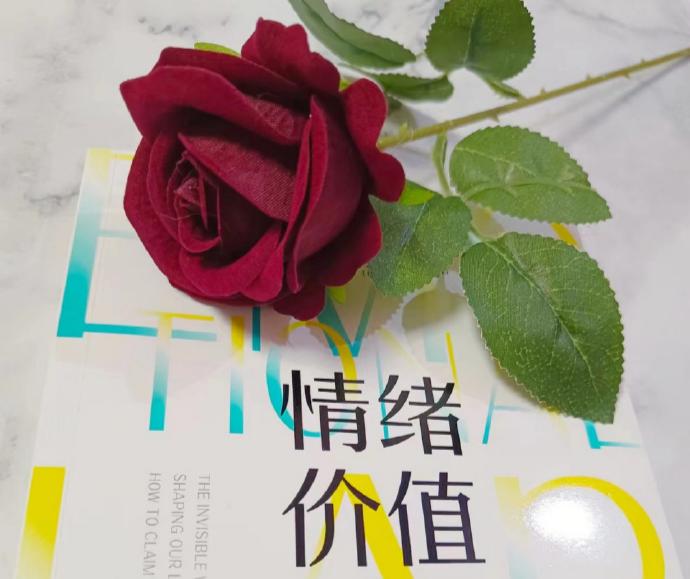
Emotional consumption has emerged as an increasingly formidable economic force in recent years. Multiple foreign media outlets have recently turned the spotlight on the development of China’s "emotion-driven economy", noting that Chinese consumers are placing greater emphasis on self-rewarding demands. Reports released by various institutions also indicate that emotional value has gradually overtaken pragmatism to become a core factor influencing consumer decisions.
The cultural and tourism market in Shandong during this year’s Qingming Festival holiday serves as a telling example. At numerous scenic spots, the longest queues were no longer found at traditional sightseeing landmarks, but at interactive venues for Hanfu experiences, handcraft workshops, stove-side tea lounges and reading salons. Rather than overly commercialized and formulaic offerings, young consumers are increasingly willing to pay for a unique ambiance shaped by light and shadow, background music, thoughtful copywriting and immersive atmospheres.
A host of viral cultural and tourism projects stand out across the region: immersive performances at Daming Lake in Jinan, ancient-style night tours around Dongping Lake, stove-side tea gatherings in Zibo, and glamping along the coast of Yantai. Behind these popular attractions, young people no longer focus on check-in tours or conspicuous consumption. Instead, they seek spaces to ease their minds and unwind. They are ready to spend money for comfort, healing and emotional resonance. This trend clearly reflects a shift in young people’s consumption focus from functional utility to emotional experience.
As emotional value evolves into the core driver of youth consumption, China’s consumption landscape is undergoing a profound transformation from material satisfaction to spiritual connection. From a psychological perspective, young people’s pursuit of emotional value is essentially a form of self-regulation and psychological compensation amid mounting modern pressures. Today’s youth are confronted with multiple stressors stemming from academic pursuits, career development, interpersonal relationships and future uncertainties, leading to prevalent mental fatigue. According to psychological theories on emotion regulation, when external pressures cannot be alleviated promptly, individuals tend to rebuild inner peace by seeking new environments, experiencing novel activities and creating a sense of ritual. Immersive experiences allow people to step away from real-life stress temporarily; slow-paced settings help relieve anxiety; niche cultures and aesthetic recognition foster a strong sense of belonging. Rather than simply making purchases, young people are essentially recharging their mental wellbeing to ease frayed emotions.
Meanwhile, fundamental shifts have taken place in young people’s consumption philosophy, with priorities moving from cost performance to emotional value for the heart. In the past, consumption centered on practicality, durability and affordability. Today’s young generations attach greater importance to experience, aesthetics and exclusivity. A regular beverage can still enjoy strong sales at a higher price when paired with cultural elements and exquisite settings. Small-scale performances without A-list celebrities can attract far larger audiences than formulaic commercial shows, thanks to their sincerity, soothing vibes and emotional appeal. This is not irrational spending, but an inevitable upgrade of consumer demand. With basic material needs well met, people naturally turn to pursue spiritual and emotional fulfillment. While young consumers reject exploitative marketing, they are willing to pay a reasonable premium for products and experiences that truly strike a chord.
This transformation is profoundly reshaping the future of the consumer economy. First, experience will replace physical products as the core competitive edge. Pure commodity sales see shrinking profit margins, while venues delivering distinctive atmospheres, compelling stories and interactive engagement gain greater market competitiveness. Second, culture will be deeply integrated with emotional experiences. Regional traditions, folk customs, national trend culture and intangible cultural heritage can unlock genuine commercial value only when translated into tangible, immersive and empathetic emotional experiences. Furthermore, segmented emotional consumption tracks will witness explosive growth. Diversified demands for relaxation, comfort, companionship, a sense of belonging and ritual will give rise to new business forms, brands and scenarios. Last but not least, authenticity and quality will prevail over stereotyped marketing tactics. Young people resist repetitive commercial gimmicks and prefer to support genuine, down-to-earth and heartfelt content.
Ahead of the upcoming May Day Golden Week, cultural and tourism operators across the country need to focus on aligning their products with young people’s emotional needs. Those who truly understand youth sentiment will secure a firm foothold in the cultural and tourism market of the future. Future competition in the consumption sector will no longer revolve merely around pricing or sales channels, but will be a battle for people’s hearts, sensory experience and intrinsic value.
The rising focus on emotional value among young people is no passing fad, but a reflection of social progress and advanced consumption concepts. As economic development evolves from meeting basic survival needs to enriching quality of life, emotional value will undoubtedly become a steady, enduring and dynamic engine driving economic growth.
Declaration This article comes from Dazhong Daily. lf copyright issues are involved. please contact us to delete.

 13
13